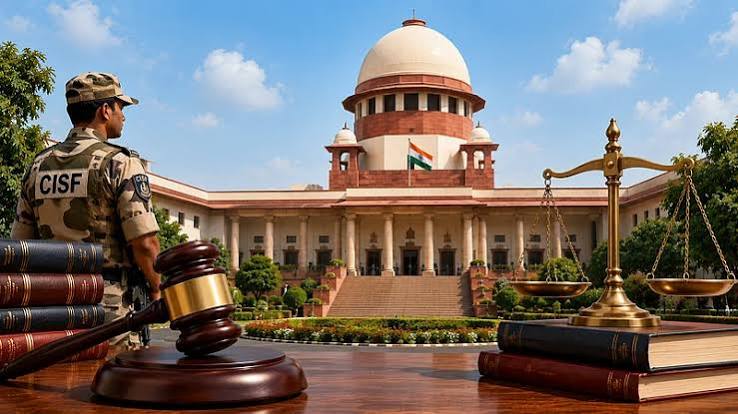
The Supreme Court of India issued a crucial landmark ruling regarding administrative efficiency and service laws within public sector governance. Addressing a series of petitions concerning government personnel policies, the apex court clarified that compulsory retirement is designed specifically to weed out inefficiency rather than serve as a punitive action. A bench headed by senior judges emphasized that public administration requires high standards of integrity, productivity, and fitness to deliver effective public service. The court noted that reviewing an employee’s service record for compulsory retirement does not equate to a disciplinary penalty or carry a stigma. Instead, it serves as a necessary administrative tool to ensure that government machinery remains agile, dynamic, and responsive. Legal experts highlighted that the judgment sets clear guidelines for evaluation boards to avoid arbitrary decisions while assessing deadwood in public departments. The ruling mandates that review committees must base their decisions on comprehensive periodic performance reviews rather than isolated incidents. Government departments were directed to maintain transparent records and adhere strictly to principles of natural justice during administrative evaluations. Civil rights groups and employee associations closely monitored the hearing, seeking protections against potential misuse of early retirement rules. The bench reiterated that judicial interference in such executive choices will remain minimal, provided procedural fairness is maintained. The decision is expected to streamline administrative operations across central and state government offices nationwide. Legal commentators believe the verdict balances individual employee rights with the state’s legitimate interest in maintaining an efficient civil service. Union ministries welcomed the clarity, stating that it will simplify long-standing service disputes in administrative tribunals. The guidelines also instruct departments to form independent assessment panels to prevent personal bias during performance audits. Public policy analysts argue that high-performing administrative structures are vital for executing large-scale developmental projects efficiently. Workers’ unions urged the government to ensure clear appellate mechanisms remain available for genuinely aggrieved personnel. The Supreme Court’s definitive ruling provides a balanced framework for modernizing public service governance across the country.
Supreme Court Clarifies Standards on Compulsory Retirement Policy