
As 2026 begins, the UAE’s business travel sector is set for continued expansion, building on the strong momentum recorded in 2025. Companies across the region are increasing travel budgets as in-person meetings, regional collaboration, and cross-border projects remain essential to business operations.
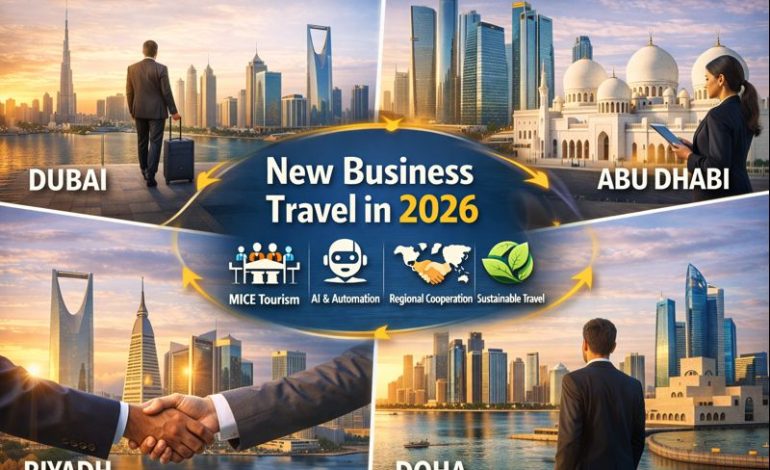
According to insights from travel management firm musafir.com, business travel spending in the Gulf rose by nearly 20% in 2025, driven by leadership meetings, industry events, and frequent travel between major hubs such as Dubai, Abu Dhabi, Riyadh, and Doha. This upward trend is expected to continue throughout 2026.
Regional Cooperation Drives Corporate Travel Demand
Gulf Cities Emerge as Business Travel Hubs
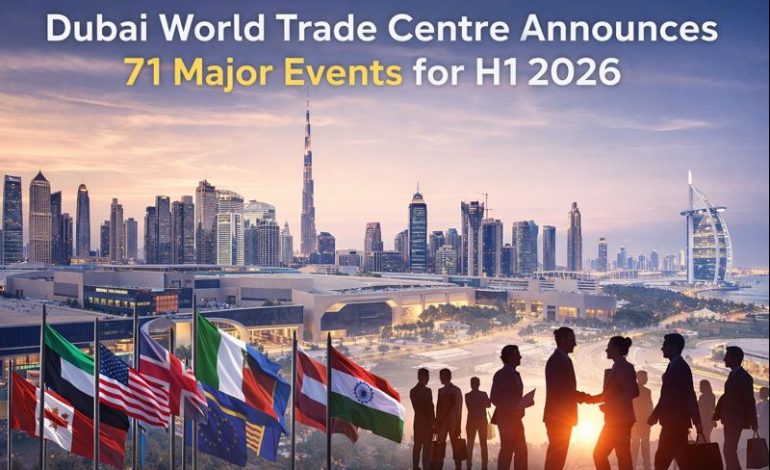
The growing emphasis on regional cooperation has significantly increased demand for corporate travel across the UAE and neighboring markets. Dubai and Abu Dhabi have strengthened their positions as leading destinations for international conferences, trade exhibitions, and executive gatherings.
Businesses are traveling more frequently to manage regional operations, align strategies, and build long-term partnerships. As a result, bookings for corporate events, exhibitions, and company offsites have risen steadily across the Gulf.
MICE Travel Fuels Industry Growth
MICE travel (Meetings, Incentives, Conferences, and Exhibitions) continues to be a major driver of business travel growth. Corporate teams increasingly prefer face-to-face engagement for leadership summits, strategic planning sessions, and innovation workshops.
Industry reports highlight that in-person collaboration helps accelerate decision-making, strengthen relationships, and improve business outcomes—making MICE travel a critical component of the region’s corporate ecosystem.
Purpose-Driven Business Travel Takes Center Stage
Fewer Trips, Higher Impact
According to Sachin Gadoya, CEO and Co-Founder of musafir.com, companies are redefining how they approach corporate travel. Business trips are no longer routine but are now strategically planned to deliver measurable outcomes.
Organizations are choosing fewer yet more meaningful journeys, focusing on alignment, trust-building, and faster execution rather than frequent short visits.
Why In-Person Meetings Still Matter
While virtual meetings offer convenience, executives continue to emphasize the value of face-to-face interactions. In-person meetings help resolve complex issues, enhance collaboration, and build stronger professional relationships—benefits that digital platforms cannot fully replicate.
Technology Reshapes Business Travel Management
AI Transforms Travel Planning and Safety
Artificial intelligence (AI) is playing a growing role in corporate travel management, helping businesses personalize travel experiences and automate routine tasks. AI-powered systems are being used to optimize bookings, improve efficiency, and enhance traveler safety.
According to SAP Concur, AI will also strengthen duty of care by predicting risks and delivering personalized safety alerts, allowing companies to proactively protect traveling employees.
Automation Redefines Expense and Travel Management
Goodbye Manual Expense Reports
Automation is set to eliminate traditional expense reporting. Agentic AI systems will soon manage auditing, reconciliation, and reimbursements automatically, reducing administrative workload for employees.
Smarter Financial Oversight
By integrating receipts, invoices, and payroll systems with AI tools, companies gain greater transparency and control over corporate spending. This approach improves financial oversight while ensuring faster and more accurate reimbursements.
Balancing Cost Control With Business Growth
Smarter Spending Controls
Despite rising travel demand, organizations remain focused on cost efficiency. Tools such as virtual cards, dynamic spending limits, and pre-spend controls are helping businesses manage expenses without limiting growth.
Sustainability in Corporate Travel
Companies are also incorporating sustainable travel practices, balancing economic expansion with environmental responsibility. Sustainability-focused travel policies are becoming an important part of long-term corporate planning.
Business Travel Outlook for 2026
Strong Growth Across the Gulf
The outlook for business travel in the UAE and Gulf region remains highly positive. As economies expand and cross-border cooperation deepens, demand for corporate travel, MICE events, and executive mobility is expected to stay strong throughout 2026.
Business leaders are prioritizing high-value, purpose-driven travel that supports strategic goals, innovation, and regional development.
Conclusion: A New Era of Corporate Travel in the UAE
The UAE’s business travel industry is entering a new phase defined by technology, efficiency, and strategic purpose. With AI, automation, and smarter cost controls reshaping the sector, corporate travel is becoming more focused, impactful, and sustainable.
As Dubai, Abu Dhabi, Riyadh, and Doha continue to strengthen connectivity and collaboration, the UAE remains at the heart of a dynamic and future-ready business travel ecosystem—setting new standards for corporate mobility in the Gulf.